Clare County, MI Housing Data

This page shows a collection of maps for visualizing Clare County, MI housing data.

Clare County, MI Home Owners and Renters Map

In Clare County, 16.26% of people rent their homes or live in apartments. Additionally, 50.72% own their homes free and clear. This map shows which areas are primarily occupied by owners and renters in Clare County. See the key below. Areas in grey have 0% owner occupation, which sometimes means there are no homes in the area.

 

Clare County, MI Map of Owner vs. Renter Occupied Neighborhoods
Click the map to explore

Owners vs. Renters Key

Mostly Owner Occupied
Owners and Renters
Mostly Renter Occupied

Clare County, MI Home Vacancy Rates Map

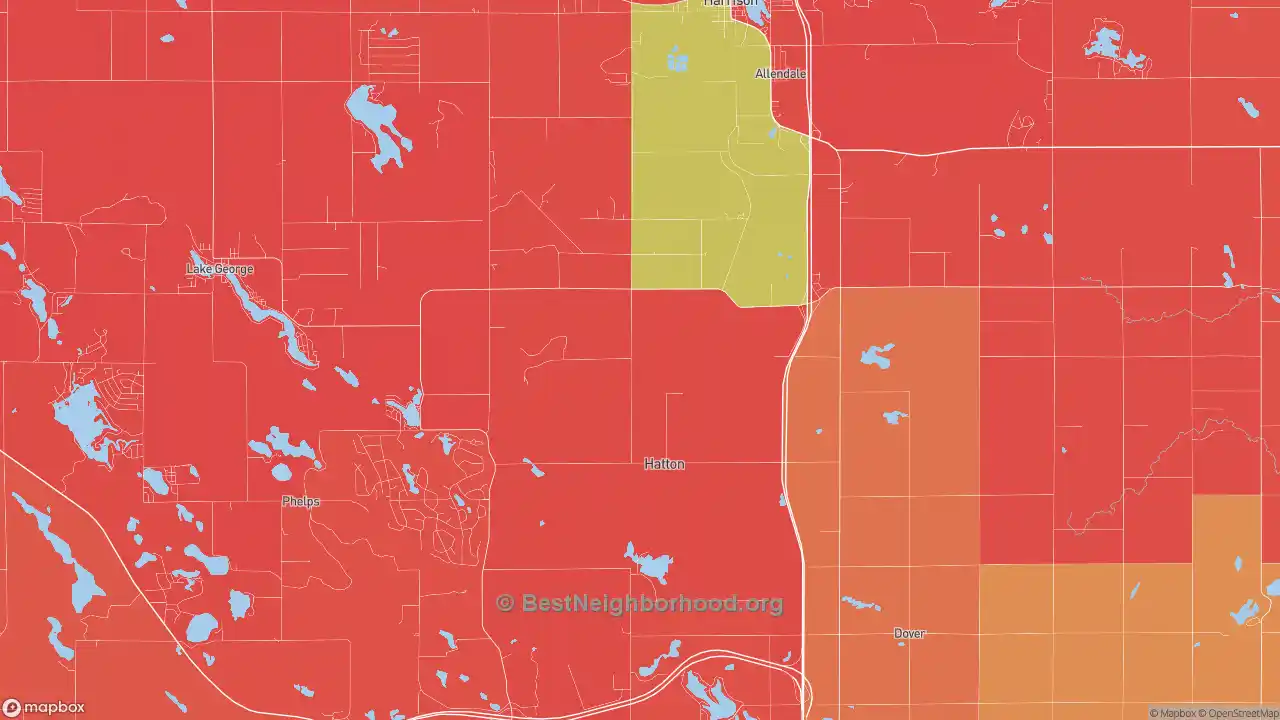
The average vacancy rate in Clare County is 42.71%. This map shows vacancy rates by block in the county. Most home buyers want to avoid vacancies. Not only are vacant properties targets for squatters, but it tends to diminish home values over time. Clare County areas with high vacancy rates are shown in red, low vacancy rates in green, and high but manageable vacancies in yellow.


Clare County, MI Map of Vacant Houses and Vacancy Rates
Click the map to explore

Vacancy Rate Key

Low Vacancy
Moderate Vacancy
High Vacancy

Clare County, MI House Age Map

The average home in Clare County was built in 1977. This map shows the average home age by block or county. People looking for newer or older neighborhoods can use the map to see the average age of homes in neighborhoods in Clare County. Areas in green have homes that are, on average, 15 years old or newer. Areas in the darkest red shades have homes that are, on average, 80 years old or older.


Clare County, MI Map of Old and New Home Neighborhoods by Year Built
Click the map to explore

Home Age Key

New Homes
Average Aged Homes
Older Homes

Home Services

No other site shows detail at this level for free. We are able to keep this site free by receiving a small commission from the referring links on this page. Please share or cite this page if you aren't able to otherwise support our work. Note that big changes are coming to this page in particular to add much more detail.

Updated 2023 using the most recent data available (2021)